ANNEX
Gastronomic Experience: The Raw Matter
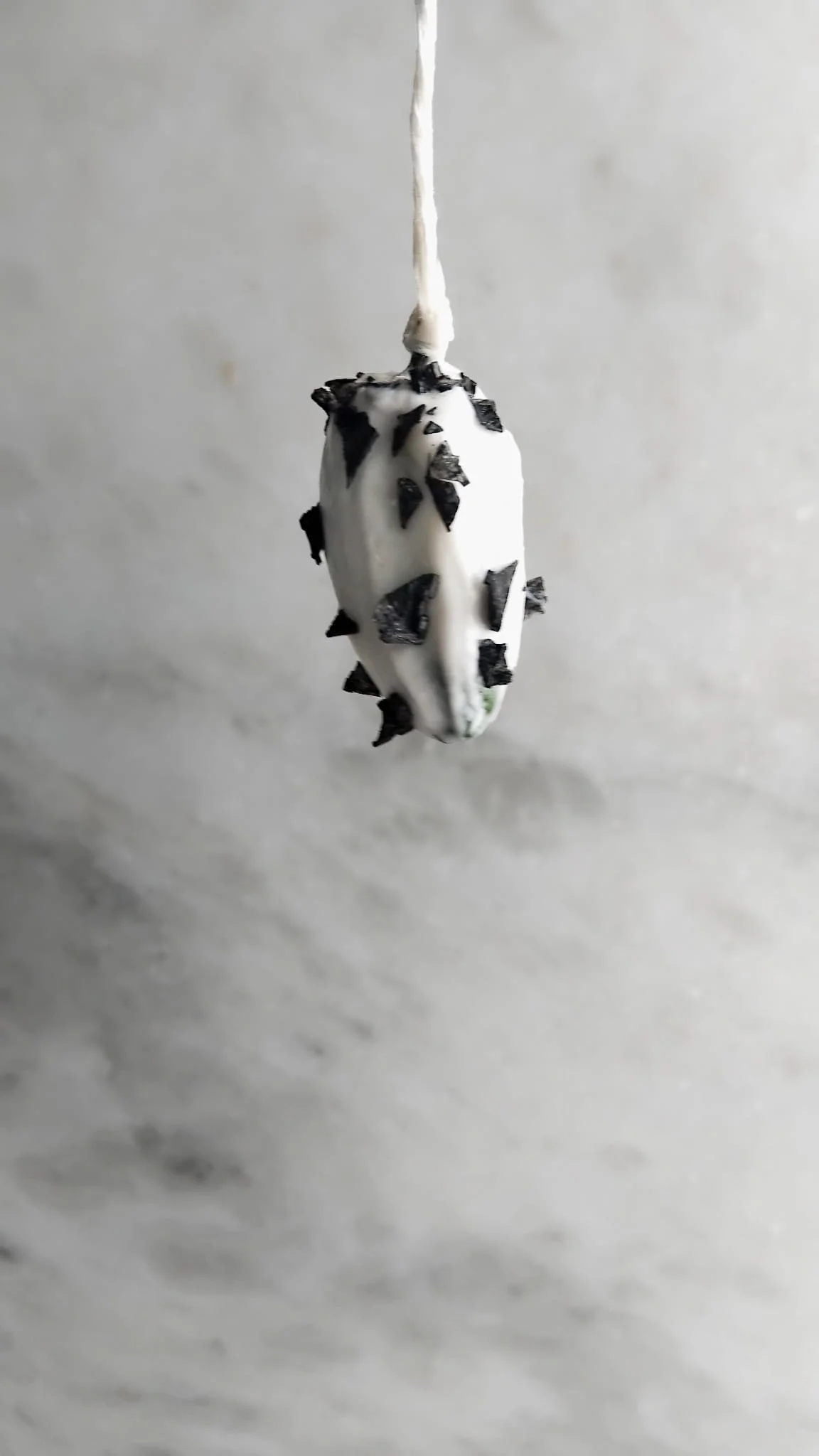
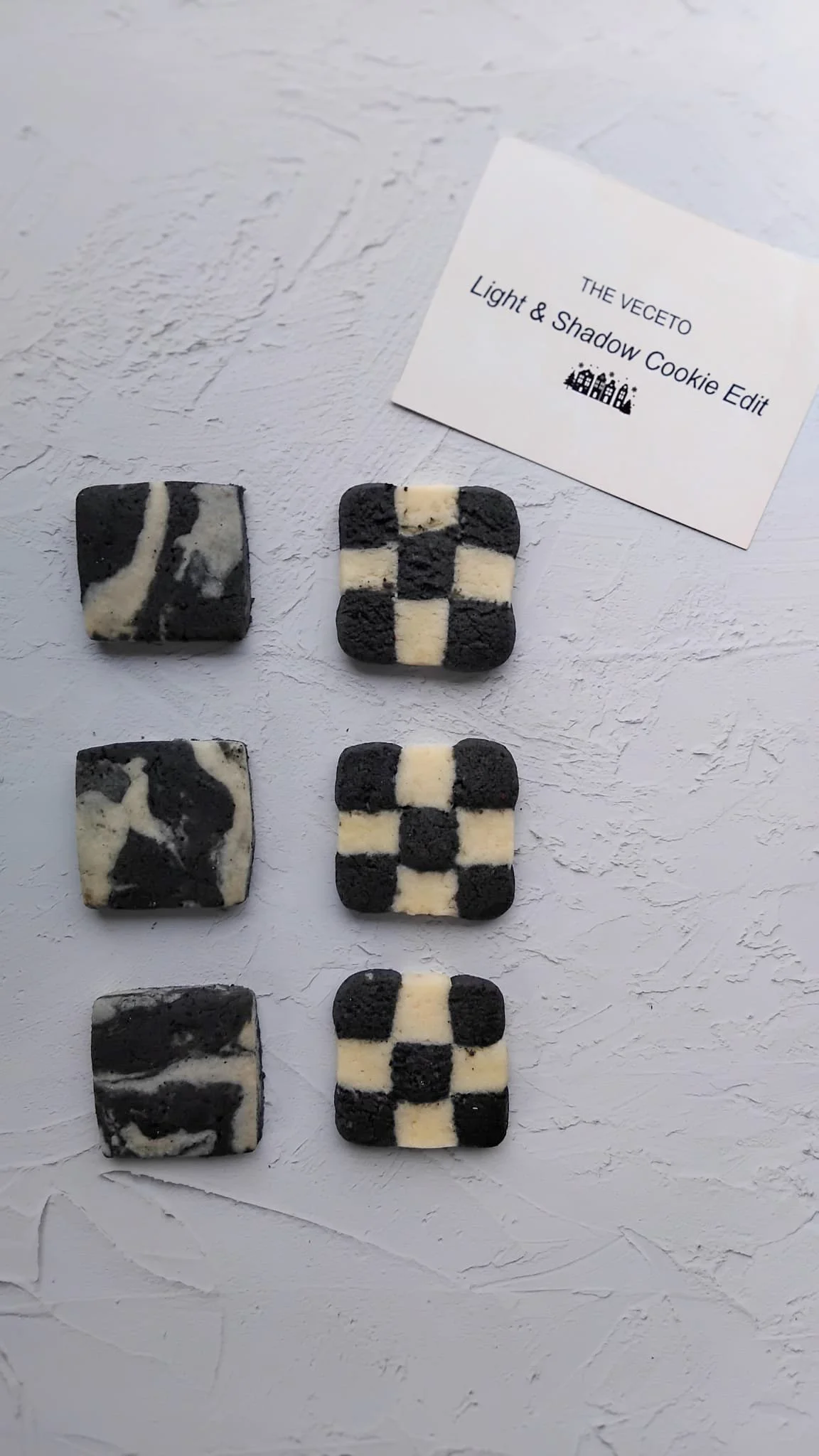
Veceto's commissions occupy rooms and choreograph duration. The studies in the Annex occupy a single surface. Pure sensory architecture at close range. A form of spatial thinking that precedes every larger work and informs each commission from concept to fabrication. Visual documentation of material experiments that would otherwise dissolve unwitnessed. Spatial compositions before they carry a name.
Experimental dining has expanded the vocabulary of what food can mean inside an art or cultural context. Annex enacts that expansion at the level of the individual study, where edible artistry and sensory architecture converge without the pressure of a final form. Multi-sensory in its attention. Sovereign in the space it claims, however small. Food as art begins in these unresolved states. Food artwork that precedes the commission, that holds open a question the final piece will answer.
Gastronomic experience at this level of refinement demands a different kind of attention. Not toward the finished piece. Toward what a surface proposes before any decision is made. For institutions working at the intersection of gastronomic experience, art and spatial experience, this depth of research is the foundation on which singular work rests. Object as offering, before the offering has a name. Edible scenography is studied before it becomes a scene.
Spatial Composition Before Language Arrives
The medium is always edible. The question is rarely about taste alone. Weight. Surface. Stillness. Spatial composition stripped of context is less about arrangement than about pressure: what stays, what recedes, what refuses to resolve. Sensory architecture at this scale asks nothing of the room. It asks everything of the object.
Avant-garde edible practice moves away from spectacle toward precision. Gastronomy at this register is not plating. It is material science made edible. One texture rather than another. One degree of opacity. A culinary trompe l'oeil that deceives not through illusion but through absolute conviction. Food art at this point of precision is an argument made without words. Immersive installation art reduced to a single surface, still holds.
Never complete and never intended to be. Annex expands through new commissions, new materials and new contexts. Edible artistry resists stasis. An entry is added because it shifted something.
Not because it documents a finished idea.
Pursued with this kind of rigour, the gastronomic experience leaves traces before it leaves conclusions. Sensory architecture is not built from certainty. It emerges from sustained observation.
Annex is where those sensory architectures become legible. Not as an explanation. As evidence.
Commissions open by enquiry.
Selected Works documents what the research becomes.
The Annex exists outside the timeline of completed works. A living archive where the gastronomic experience begins long before a commission takes shape. Textures studied in isolation. Forms are tested before they enter a room. Sensory observations that resist resolution. Ephemeral spatial intervention at its most preliminary. Tactile materiality before it has been asked to perform.
Kerstin Pricken treats the gastronomic experience as a spatial medium rather than a discipline. The studies collected here trace that approach at its most unguarded: how an edible object carries weight, how a surface changes as light shifts, how food art asserts itself before any final decision is made. Radical Elegance begins here, in the study, not the room. Fermentation is observed over weeks before it meets a surface. The temperature at which a fat turns from opaque to clear. A glaze that holds acidity against ceramic without collapse. Gastronomic structures emerge from these observations long before they enter a room.
Sensory Architecture at the Scale of a Detail
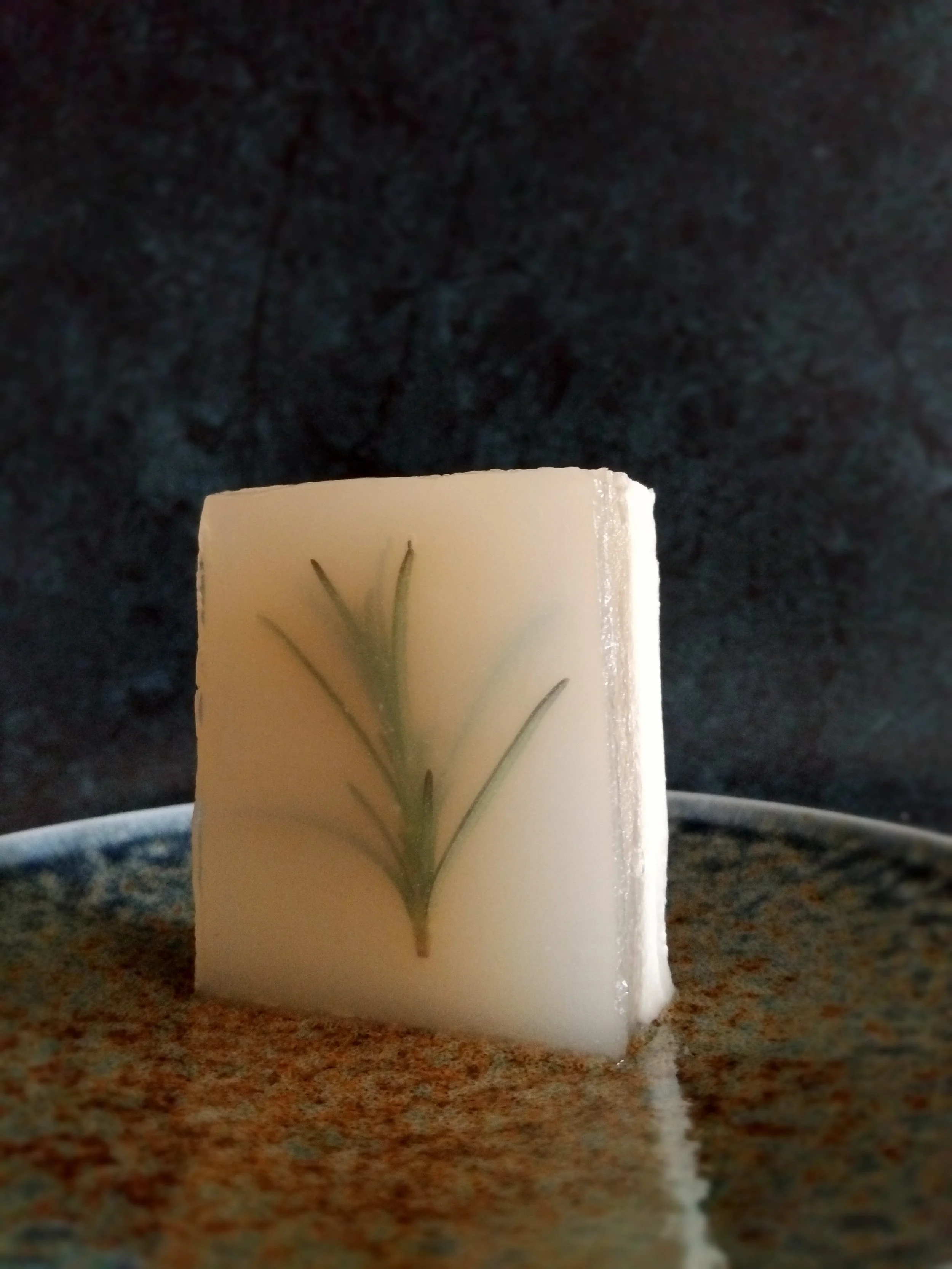
Edible Artistry at the Threshold